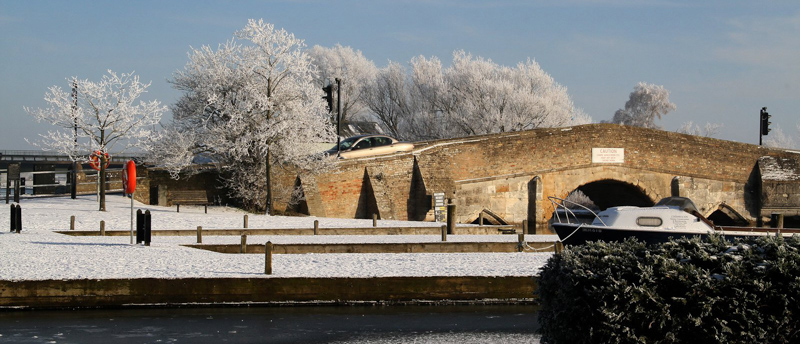
Winter boating FAQs
Here are some common questions we have from customers in relation to boat hire in the colder months. If there is anything below we have not answered, please do not hesitate to contact us on enquiries@herbertwoods.co.uk or +44 (0)1692 670 711 and confirm before you make a booking.
Is it safe to be on a river boat in Winter?
Yes, many of our boats are fully prepared for winter cruising, with heating, safety equipment, and cosy interiors to keep you warm while you enjoy the peaceful, quieter waterways of the Norfolk Broads.
Who is a winter boat holiday best suited to?
Winter boating on the Norfolk Broads can be a magical experience, offering a different perspective of this beautiful landscape. However, it requires a certain level of preparedness and a willingness to embrace the elements. If you enjoy peaceful surroundings, are comfortable with basic onboard living, and are prepared for the challenges of cold weather, it could be the perfect getaway.
For those who prefer the convenience of open amenities and warmer temperatures, a summer or spring visit might be more suitable. Ultimately, knowing what to expect and planning accordingly will ensure you have the best possible experience, no matter when you choose to explore the Broads.
Is the fishing good on the Norfolk Broads over the winter?
Winter is a fantastic time for fishing on the Norfolk Broads, offering quieter waters and rewarding catches for keen anglers.
During the colder months, species such as pike, perch and roach are especially active, with pike fishing being particularly popular thanks to their size. Dead bait and lures are the most effective methods in winter, with slow retrieves working best in cold water.
Wrap up warm, find sheltered stretch of river or dyke and you’ll discover why winter fishing on the Broads is both peaceful and exciting.
The official coarse fishing runs until 14th of March, so you’ll need a valid Environment Agency rod licence to fish legally. Read more about fishing on the Norfolk Broads in our guide.
Will the boat be cold in winter?
No, our winter-ready boats are fitted with efficient heating systems, warm furnishings, and snug cabins.
What makes your boats “Winterised”?
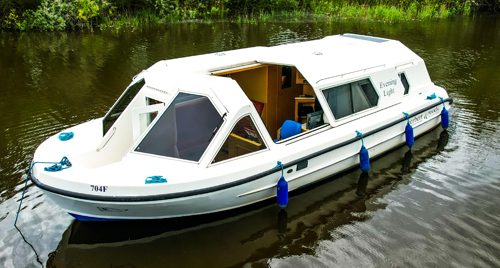
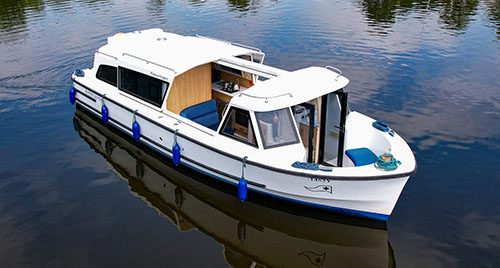
Our boats are “winterised” with warm air heating, a hard top design, and no sliding canopy, helping to keep the heat in. They’re also fitted with shore power connections, ensuring a reliable and comfortable experience throughout your winter break on the Broads.
How do I best keep a boat warm in the winter?
Despite boats being equipped with heating systems, the cold can still permeate the cabin, especially during particularly chilly nights. Boats often have ventilation slots in the windows, and these can let in drafts and in extreme weather can let in small amounts of rain. It’s advisable to bring extra blankets, warm clothing, and perhaps even a hot water bottle to ensure you stay cosy.
How do I prevent boat condensation during the winter?
Condensation can be more prevalent in winter due to the contrast between the warm interior and the cold exterior. This can lead to dampness inside the cabin, possibly affecting your comfort and enjoyment. To mitigate this, use dehumidifiers or moisture absorbers, and ensure good ventilation without compromising too much on warmth.
Is there a risk of the motor or other mechanics freezing in cold weather?
No, our boats are maintained and prepared specifically for winter use, so the engine and onboard systems are protected against freezing. Regular checks and winter servicing ensure everything runs smoothly, giving you peace of mind while cruising the Broads.
Are there any extra considerations to packing and preparation before a winter boat holiday?
Yes, we recommend packing warm layers, waterproof clothing, non-slip footwear, and a good torch as daylight hours are shorter. It’s also handy to bring gloves, hats and extra blankets for time whilst on board. Otherwise, your winter boat will be equipped with the essentials for a comfortable stay.
Is mooring and setting off in cold weather any different to summer weather?
Mooring and setting off in winter is the same as in the summer but we would adviser to take extra care, decks and quay headings can be slippery in cold or frosty conditions, so wear non-slip shoes and take your time. Shorter daylight hours also mean it’s best to plan your cruising, so you’re moored up before it gets dark.
Is navigating boat more challenging in cold winter weather and less daylight hours?
Winter weather can be unpredictable. Fog, rain, or even snow can affect visibility and navigation. Additionally, shorter daylight hours mean less time for cruising each day. Always check weather forecasts before setting out, and plan your journey to ensure you reach your mooring spot well before dark.
Some waterways may have restrictions or be more difficult to navigate in winter due to extreme water levels or maintenance work. Having updated maps and perhaps even a GPS system can be very helpful.
Keep updated with the Broads Authority for any notices or navigation advice.
Do I need special footwear or other safety equipment for winter boating?
You don’t need anything special beyond what’s recommended year-round but warm, non-slip footwear is essential in winter as decks and quay headings can get slippery. Life jackets are provided with every boat and should always be worn when mooring or on deck. Packing gloves, hats and a torch is also a good idea for extra comfort and safety in, colder darker conditions.
Is anything closed or on limited opening hours on the Broads over Christmas?
Many pubs, restaurants, and mooring spots that thrive during the summer may close or reduce their hours in the off-season. This means fewer options for dining out or finding facilities along your route. Planning ahead is crucial—stock up on supplies, and consider preparing meals on board. Check the opening times of any establishments you wish to visit and have contingency plans in place. You can also read our guides on winter pubs and/or Christmas dinners on the broads for suggestions on places to go that are more likely to be open.
Some other moorings may also be closed, and services such as water, electricity, and pump-out stations may be limited. However, you’re always welcome to return to Herbert Woods, where we can provide all these essential services to ensure a smooth and comfortable stay.
Please note that both Norwich and Great Yarmouth yacht stations are closed during the winter months, meaning mooring and access to facilities will not be available. Wroxham bridge is also not navigable during winter months.
Our Top Tips for a Successful Winter Boating Trip
- Plan Your Route: Know where you’re going and where you’ll stop each night. Have backup mooring spots in case your first choice is unavailable.
- Pack Warm Clothing: Layer up with thermal wear, hats, gloves, and waterproofs.
- Bring Extra Supplies: With fewer shops open, having sufficient food, water, and essentials is important. Please however remember that the fridge freezer on your boat may have limited capacity.
- Stay Connected: Ensure your mobile devices are charged and consider portable chargers. In case of emergencies, being able to contact someone is crucial.
- Check the Boat’s Equipment: Before setting off, make sure all the boat’s systems are functioning properly, including heating and lighting.
- Stay Topped Up: Ensure your batteries stay fully charged by allowing them to charge while cruising, and don’t forget to top them up by running the engine for a while when you’re moored.
And most importantly, have fun! Book your dream Winter Boating Holiday getaway TODAY with Herbert Woods.